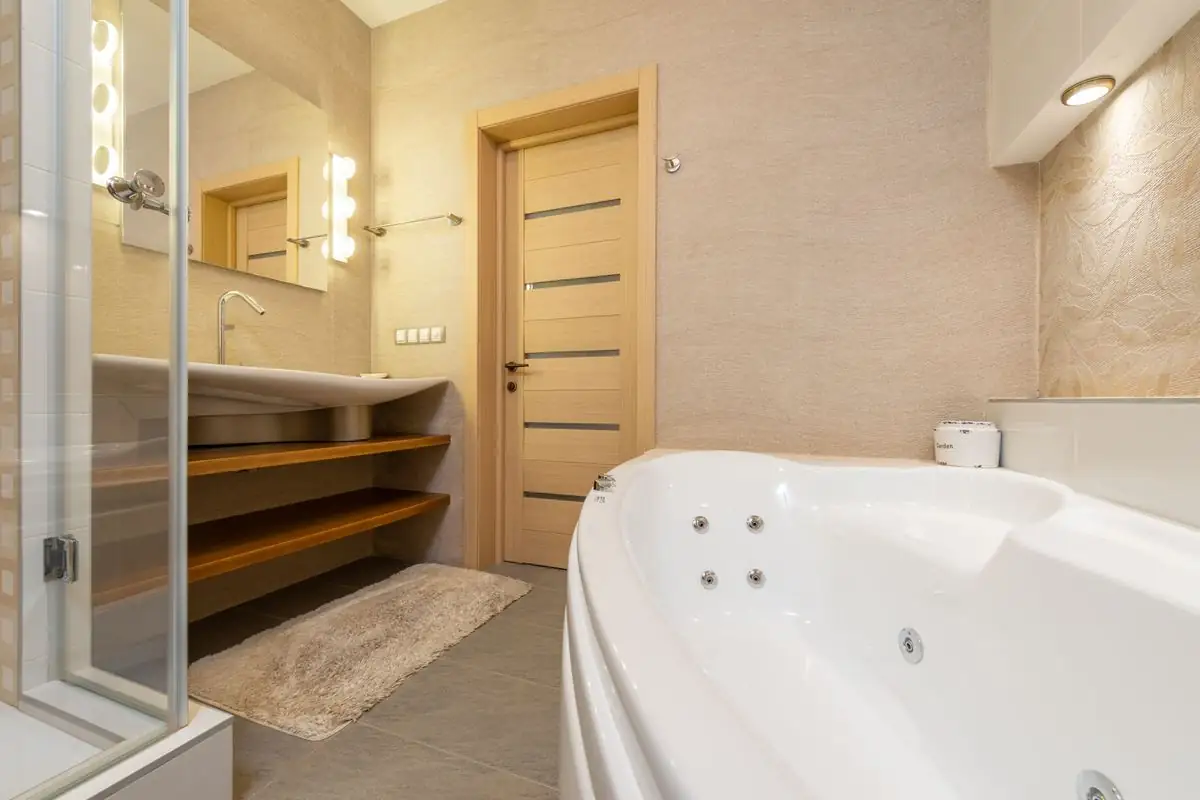
Signs you need bathroom drain cleaning
The first hint is usually small. The sink takes a few extra seconds to empty after you brush your teeth. A grey ring forms in the tub. Then one morning you are standing in two inches of water at the end of a shower.
- Standing water in the tub or shower after you turn the tap off
- A gurgle from the vanity when the toilet is flushed
- A sour, musty smell coming up from the sink overflow
- Pop-up plugs that stick down, or refuse to hold water
- Several fixtures turning sluggish together
That last one matters. A single slow sink is a local clog. Two or three slow fixtures can point further down the line, toward the stack or the main drain.
Why it happens in Scarborough homes
Many houses here were built between the late 1940s and the 1970s. Their bathroom drains are often galvanized steel or cast iron under the floor, joined to newer plastic at the trap. Older metal pipe roughens inside over the decades, and that rough surface grabs hair and soap scum far faster than smooth plastic does.
Lake Ontario water supplied through Toronto's system is moderately hard, so bar soap leaves a waxy film that binds everything together. Add a long-haired household and a tub that sees daily use, and a clog is a matter of when, not if.
How the job is done, step by step
- First we run every basin, tub and shower in that room to learn whether the problem is local or shared.
- The stopper and trap are pulled and cleaned by hand. A surprising number of calls end here.
- If the blockage sits deeper, a small hand or drum cable goes through the trap arm toward the stack.
- We run hot water through every fixture to prove the flow is back.
- Worn stoppers, cracked slip washers or a leaking trap get pointed out, and replaced if you agree.
Price factors
Reaching the clog matters most. A pedestal sink with an open trap is quicker than a tub with no access panel. The age and condition of the pipe count too, since corroded fittings sometimes need replacing once they are disturbed. If the clog turns out to be in the main line, the work becomes a main sewer line clearing instead, and you will hear about it first.
When to call right away
Call the same day if water backs up into the tub when the toilet flushes, or if a basement floor drain bubbles while the bathroom drains. Both suggest a blockage below the bathroom, and the next step can be sewage on the basement floor. Our basement flooding prevention guide explains first aid for slow drains.